If you're searching for "RenderNet alternatives" for AI character creation, the first thing to know is that RenderNet.ai now redirects to Affogato. This means you're not comparing two separate products, but rather looking for alternatives to one evolving platform under a new name. This article, based on publicly available documentation as of September 7, 2026, aims to clarify that distinction and help you compare Affogato with other tools like OpenArt, Higgsfield, and Runway for consistent AI characters.
RenderNet is Now Affogato: What This Means for Your Search
The company behind RenderNet rebranded to Affogato, and the original domain now forwards visitors to the new one. This is an important distinction because it means any search for a "RenderNet alternative" is effectively a search for an alternative to Affogato's character creation approach. The product has evolved under a new label, but the core focus on characters across image and video workflows remains.
Practically, this means:
- If you encounter content discussing "RenderNet pricing" or "RenderNet features" as distinct from Affogato, verify the publication date. Older content may not reflect the rebrand.
- The tool's positioning as a studio for character-consistent image and video generation has carried over, just with a new brand name.
So, when this article refers to a "RenderNet alternative," it's discussing alternatives to the Affogato platform's method for maintaining character consistency.
What to Look for in an AI Character Alternative
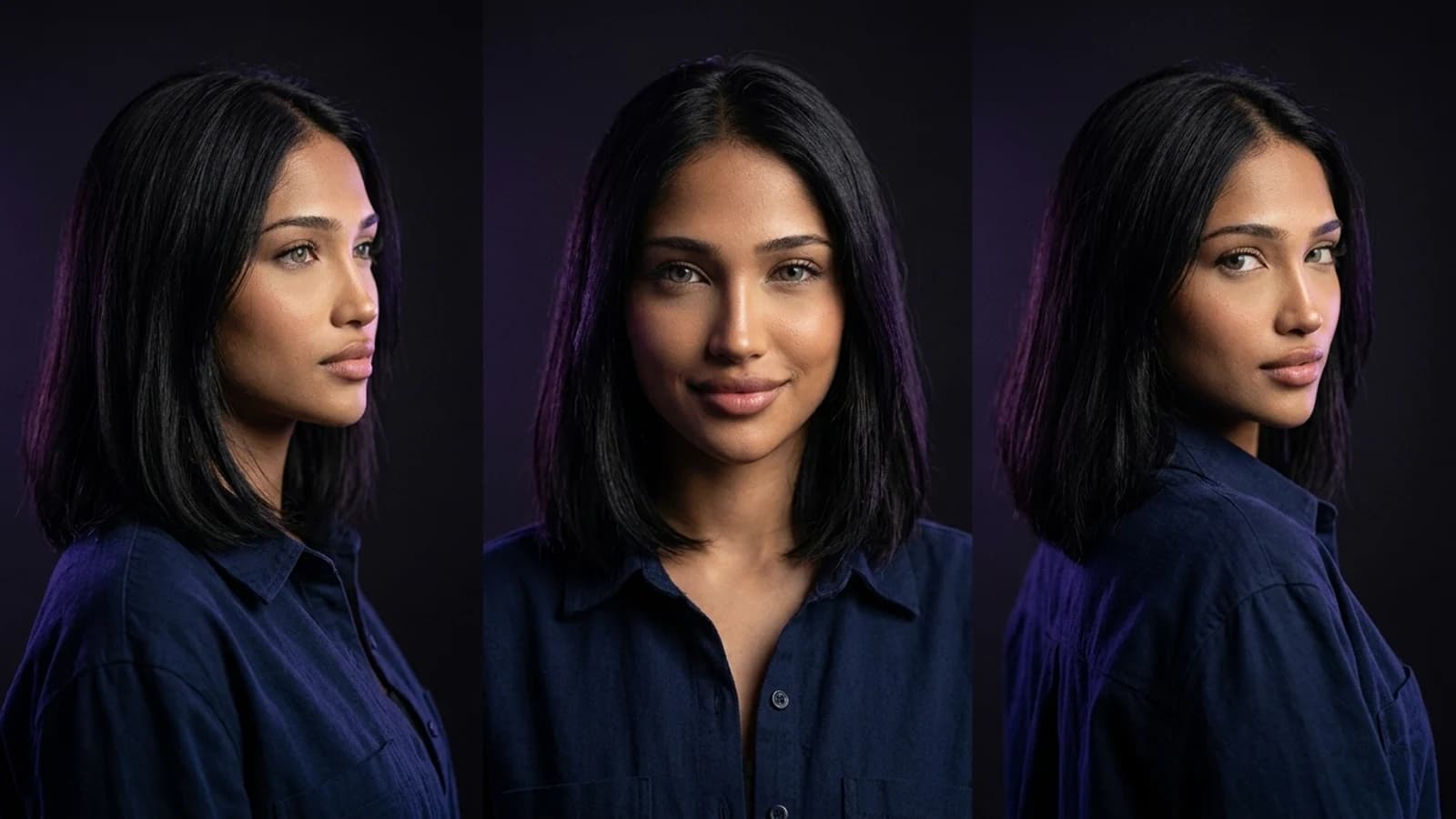
Affogato's documented approach involves creating reusable characters for image and video. Any alternative you consider should clearly explain its mechanism for maintaining a character's identity across multiple generations. This could be through saved reference images, named character profiles, or specific controls for pose and style. The method directly impacts your control and the consistency of results across a series of outputs.
Prism also offers a similar approach: character creation accepts a description or an owned reference, and once approved, the character can be reused across Image, Video, Motion, Batch, Upscale, Prompt, and Media tools. This shared philosophy focuses on establishing an identity once and then generating variations, rather than re-describing the character for every new scene. It's important to note that while the underlying idea is similar, the specific models, controls, and interfaces will differ across platforms.
Three Alternatives for AI Character Workflows
When evaluating alternatives, it's helpful to consider how each platform approaches character consistency and what specific checks you should perform.
OpenArt's Character Workspace
OpenArt provides a dedicated Character workspace designed for creating and reusing character profiles across generations. This is conceptually similar to Affogato's named-character approach, integrated within OpenArt's broader suite of creative tools.
What to verify: How effectively a saved character transfers into OpenArt's other generation tools beyond the dedicated character module, and whether the workspace supports your specific needs for pose or scene changes (e.g., product shots, outdoor environments, close-ups).
Higgsfield
Higgsfield offers a creative suite with image and video tools, including Cinema Studio, character creation, and Soul ID. It's often mentioned alongside Affogato in discussions about AI character and content platforms.
What to verify: How Higgsfield manages face or character consistency across separate generation sessions. Consider if its tools are primarily designed for generating individual striking images or for supporting a repeatable character workflow for ongoing projects. For a more detailed exploration of Higgsfield, you might find additional context in our article on Higgsfield alternatives.
Runway's Reference-Led Approach
Runway's Gen-4 documentation describes a reference-led filmmaking workflow. This method uses a reference image or clip to guide the visual style of generated video, rather than relying solely on text prompts.
What to verify: Whether Runway's reference-led method consistently maintains a character's facial identity throughout a video sequence, or if it's primarily focused on preserving a scene's overall style and camera feel. These two aspects of consistency can differ significantly.
Comparison Overview: Workflow and Verification
Here's a quick table summarizing the documented workflows and key verification points for each platform:
| Tool | Documented Workflow | What to Verify Before Switching |
|---|---|---|
| Affogato (formerly RenderNet) | Reusable characters for image/video | How current documentation aligns with the evolving interface |
| OpenArt Character workspace | Saved character profile reused across generations | Character transferability to other OpenArt image tools |
| Higgsfield | Creative suite with image/video tools, character creation | Face consistency across separate generation sessions |
| Runway (Gen-4) | Reference image/clip guides visual style for video | Consistency of facial identity versus overall scene style |
A Concrete Switching Trial
Instead of migrating your entire content pipeline immediately, consider a small, controlled comparison:
- Define a Character: Create a simple text description for a hypothetical character, for example: "a woman in her late 20s, curly brown hair, wearing a casual streetwear outfit."
- Generate in Platforms: Use Affogato and one alternative from the table above to create this character, following each tool's specific character-creation steps.
- Create Scenes: Generate three additional scenes for each character: a close-up, a full-body shot, and one with a distinct background change.
- Evaluate: Compare two primary aspects: the consistency of the character's face across all generated images, and the amount of manual re-prompting or adjustments needed for each new scene.
This focused trial can provide more practical insights than a feature list alone, allowing you to assess compatibility with your workflow with minimal risk.
Why You Might Stick With Affogato
Switching tools isn't always the best decision. If you've already invested time in building a character library within Affogato, or if your current workflow relies on its specific features for influencer or virtual-character work, a full migration might be more costly in terms of rebuilt assets than the benefits gained from a new platform. Sometimes, testing an alternative for a single project is a more strategic first step before committing to a complete transition.
If you're new to creating consistent AI personas rather than comparing platforms, our guide on how to create an AI influencer offers a practical starting workflow. For broader guidance on selecting creator platforms, the Prism Academy covers fundamental workflow principles applicable across various tools.
Next Steps
The journey to find a "RenderNet alternative" begins with understanding that RenderNet is now Affogato. From there, the decision involves comparing Affogato's approach to character consistency with genuinely different methods offered by platforms like OpenArt, Higgsfield, and Runway. Instead of relying on general reviews, conduct a small, focused trial as outlined above. Evaluate the actual output and workflow fit to make an informed decision for your specific character creation needs. If reusable characters across image, video, and batch tools are your goal, Prism's workflow is also worth including in your comparison.