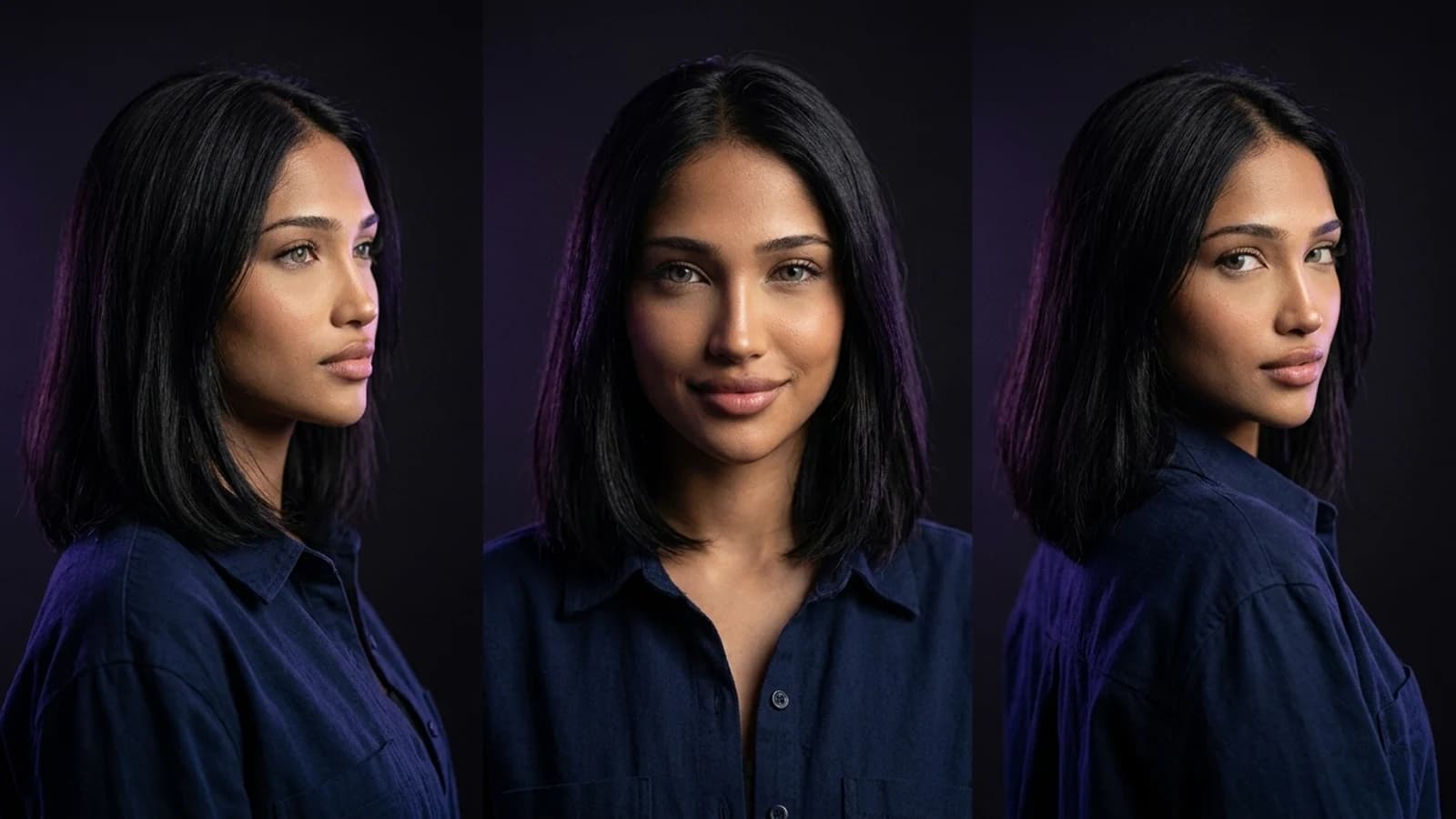
OpenArt's Character workspace offers tools for consistent character generation, a feature increasingly sought after by AI creators. As the field of AI content creation matures, many look for an OpenArt alternative that aligns with their evolving production needs. This guide offers a documentation-based comparison, not a hands-on benchmark, to help you evaluate options.
This guide explores what the OpenArt Character workspace provides today, then compares it against a selection of alternatives worth considering, and clarifies where a platform like Prism fits if reusable characters need to move across image, video, and batch production without rebuilding a reference every time.
What OpenArt Does Well Today
The OpenArt Character workspace is designed for saving a character and reusing it across new scenes and poses. This capability is a key reason creators engage with the platform. OpenArt remains a relevant option for creators seeking an all-in-one illustration-first workspace.
It's not that OpenArt lacks consistency features; it's that the field around it has gotten more crowded and more specialized. Some tools now focus tightly on one part of the problem (identity-locking, video continuity, or accessibility), which is exactly why a side-by-side check matters before switching anything over.
Why Creators Go Looking for an OpenArt Alternative
Common reasons creators explore an OpenArt alternative include:
- Format limits. A creator building a character for both static posts and short video may need a tool that carries the reference into motion, not just stills.
- Consistency ceiling. Visual drift can occur after several generations in some workflows, prompting creators to seek tools with robust reference-training or identity-locking steps.
- Cost and access. The availability of various pricing tiers and access models encourages creators to compare options before committing to a specific platform.
None of this means OpenArt is falling behind; it means the category has matured enough that "best for me" now depends heavily on the specific production pipeline.
Model vs. Platform: A Quick Clarification
Before comparing tools, it helps to separate two things people often blur together:
- A model generates the actual pixels.
- A platform (like OpenArt, Runway, or Prism) wraps that generation in a workflow, saving references, batching outputs, upscaling, and organizing projects.
A platform can offer access to one or several models. So when comparing "OpenArt vs. X," it's worth checking whether the comparison is really model vs. model, or platform vs. platform. That distinction changes what "consistency" even means in each context.
Three OpenArt Alternatives Worth Testing
Higgsfield: Persistent Character Identity
Higgsfield offers a creative suite that includes image and video tools, Cinema Studio, and character creation with Soul ID. This platform is designed to support persistent characters across various creative outputs, making it a relevant option for creators focused on maintaining a consistent identity.
What to verify: how Higgsfield's Soul ID integrates with different image and video workflows, and whether character consistency holds across diverse scenes or only similar ones.
Midjourney: Reference-Driven Image Consistency
Midjourney's approach leverages official reference workflows, with documentation distinguishing features like V7 Omni Reference from newer version-specific edit and reference flows. This can be suitable for creators aiming for stylized or artistic consistency in image generation. Users should consult their selected version's documentation for the most accurate parameter syntax and current model capabilities.
What to verify: whether the chosen reference workflow maintains specific identity features or primarily transfers artistic style and composition, as these are distinct aspects of "consistency."
Runway: Reference-Led Filmmaking
Runway's reference-led filmmaking approach documents how a consistent subject or setting reference can carry through generated video shots. This is particularly relevant for creators whose characters need to move and maintain continuity across video sequences, addressing a different challenge than still image consistency.
What to verify: how reference material translates across multiple shots or scenes within a single project, and the degree of manual input required to maintain consistency for new shots.
Comparison at a Glance
| Tool | Documented Workflow | What to Verify Before Switching |
|---|---|---|
| OpenArt | Saved character workspace reused across scenes | Consistency across very different poses or settings |
| Higgsfield | Character creation with Soul ID across image/video | Soul ID integration and consistency across diverse scenes |
| Midjourney | Official reference workflows (e.g., V7 Omni Reference) | Identity-lock vs. style-transfer behavior |
| Runway | Reference-led generation for video continuity | Reference persistence across multiple shots |
> Consistency isn't one feature; it's a different technical bet depending on whether the output is a single image, an illustrated series, or a moving scene.
Where Prism Fits in the Comparison
Prism approaches character consistency from the production side rather than the illustration-training side. Character creation accepts either a written description or an owned reference image, and once that reference is approved, it gets reused across later generations rather than rebuilt each time.
The wider point is that Prism's character tool sits inside a broader toolkit, including Image, Video, Motion, Batch, Upscale, Prompt, and Media tools. This matters for creators who don't just need one consistent portrait but need that same character carried into a batch of images, a short video clip, or an upscaled final asset, all from one reusable reference. That's a different shape of problem than OpenArt's illustration-focused workspace, and it's worth weighing based on the actual pipeline, not just the character-lock feature alone.
For a full walkthrough of building a character from scratch and putting it into a real content pipeline, the practical AI influencer creation workflow covers the starting steps in more depth. And for a broader look at how to choose between creator tools generally, the Higgsfield alternatives comparison walks through selection criteria that apply well beyond that one platform.
The Bigger Trend: Character-Sheet Infrastructure
A noticeable trend in AI content creation is the increasing demand for robust character-sheet infrastructure. This points to a broader industry expectation: identity conditioning (locking a face or design) and cross-media reuse (carrying that identity into video, batch sets, or print) are becoming baseline capabilities, not just bonus features.
A Concrete Switching Trial to Run
If Higgsfield is on your shortlist, use the OpenArt vs Higgsfield workflow comparison to decide which reference and review steps to include in your trial.
Rather than trusting a ranking list, try this small proposed test:
- Pick one character brief, a written description or one existing reference image.
- Generate the same three prompts (a portrait, a full-body pose, and one action scene) in OpenArt and in one alternative from the table above.
- Compare face and outfit consistency across all three, not just the first image.
- Note how much manual re-uploading or re-describing was needed between prompts.
This is a proposed test, not a documented benchmark, but it surfaces real differences faster than reading five comparison articles.
# Hypothetical Switching Trial Example
## Character Brief
A young adult, mid-20s, with short brown hair, wearing a casual denim jacket and a white t-shirt. Expressive, friendly demeanor.

## Prompt Set
1.  "Portrait of [Character Name], smiling, looking directly at the camera, soft studio lighting."
2.  "Full-body shot of [Character Name], standing in a bustling city street, hands in pockets, looking thoughtful."
3.  "Action scene: [Character Name] running through a forest, dynamic pose, sunlight filtering through trees."
Conclusion
OpenArt remains a solid choice for creators seeking an illustration-first workspace with built-in character reuse. However, the evolving landscape means a fair comparison, including Higgsfield's persistent character identity, Midjourney's reference-driven image consistency, and Runway's video-focused reference workflow, is worth conducting before committing to any single OpenArt alternative.
The most practical next step is small: pick one character, run the same brief through two tools, and judge consistency on the actual output rather than the marketing claim. For creators who need that consistent character to flow into video, batch sets, and upscaled final assets from one workflow, it's worth exploring Prism's creator tools directly, and for a structured next step, the Academy covers workflow fundamentals in more depth.