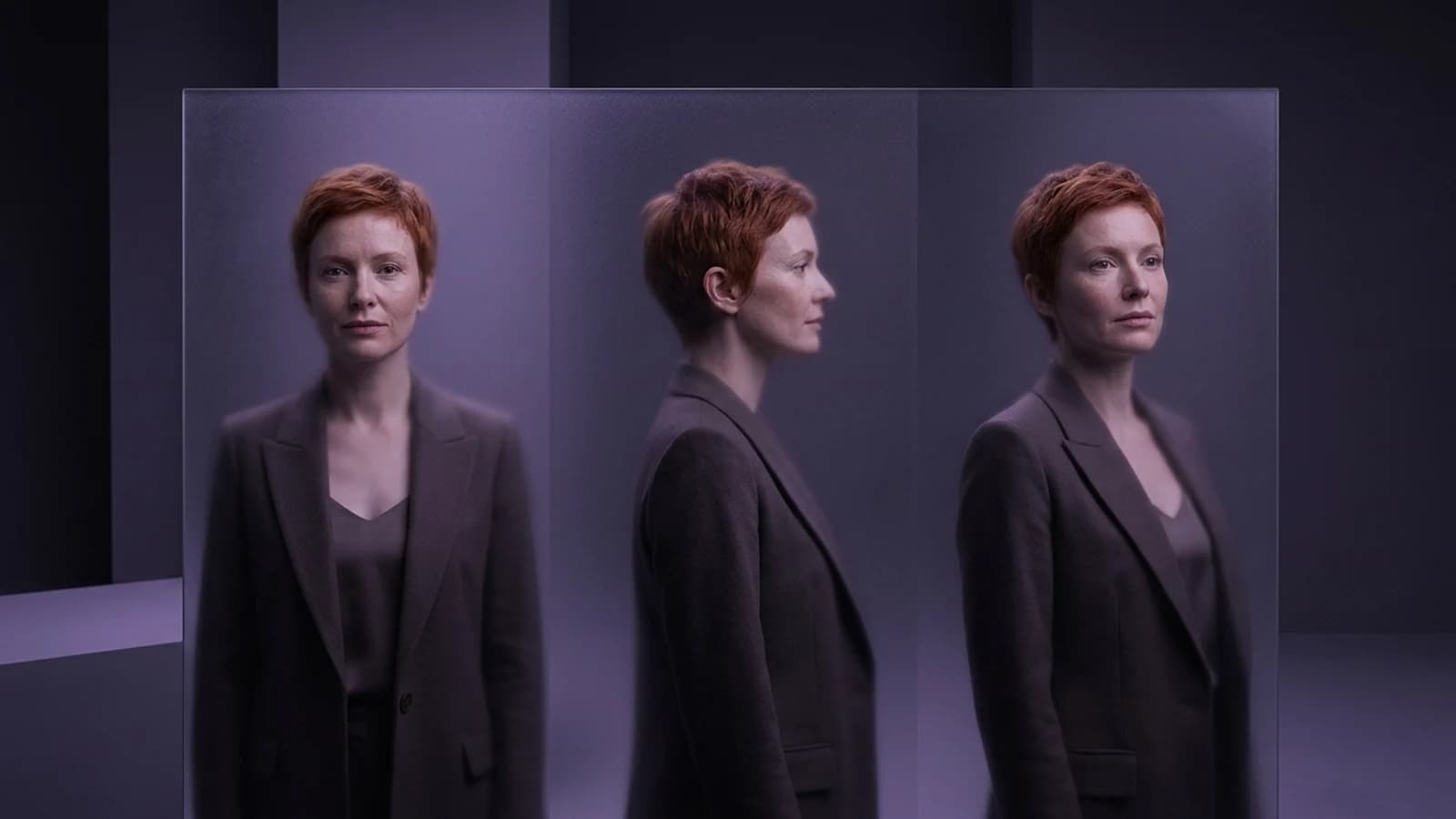
Google's documentation indicates that Nano Banana Pro can work with multiple reference images for a single generation, a feature highlighted in its release materials. This technical detail has prompted many creators to compare Midjourney and the Nano Banana family for consistent character generation, rather than defaulting to whichever tool they already know. Midjourney has long been recognized for its capabilities in generating stylized imagery, including features for character consistency. However, its exact reference handling varies by model version. Now, with Google's Nano Banana family, particularly Nano Banana 2 and Nano Banana Pro, designed with reference-based identity in mind, the conversation around consistent character generation has evolved.
This article provides a documentation-based comparison of Midjourney and the Nano Banana family for consistent character generation, rather than a hands-on benchmark. We examine what each tool documents about consistent characters, how reference images are handled, and which creator profile each one fits best. Neither tool is being declared a universal winner, as the right pick depends on your specific workflow and project needs.
What "Nano Banana" Actually Means
"Nano Banana" isn't one app, it's a designation for a family of Google image models running on Gemini. The lineup includes the original Nano Banana model, Nano Banana 2, and Nano Banana Pro, each available through Google AI Studio, the Gemini app, and various third-party platforms that plug into the same underlying model. Nano Banana 2 is built on a more advanced Gemini image architecture, which Google says improves multi-reference handling and detail retention compared to the first release.
This distinction matters because "Nano Banana" alone doesn't tell you which version, or which host app, you're actually testing. A result generated inside Google AI Studio with Nano Banana Pro is not automatically the same result you'd get from a third-party wrapper claiming to use "the Nano Banana model." Google's own documentation on Gemini image generation is the most reliable place to confirm what a given version actually supports.
Midjourney, by contrast, is a single platform with versioned models (V6, V7, and so on), and its reference tooling is documented separately per version. That's the same logic that matters on the Nano Banana side: pin the exact model and app before comparing results.
Midjourney vs Nano Banana for Consistent Characters: The Core Difference
Midjourney's Omni Reference Approach
Midjourney's current reference system is called Omni Reference. According to Midjourney's Omni Reference documentation, it lets you feed in a character image and reuse that identity across new prompts, with a reference weight setting that controls how strongly the original face and features carry over. Importantly, that documentation is specific to the model versions it lists; it does not claim the same syntax or strength controls apply identically to every past or future Midjourney version. For a fair comparison, ensure you are evaluating the specific model version and its documented capabilities.
Midjourney remains, first and foremost, a general-purpose stylistic image generator. It's known for painterly, cinematic, and highly stylized output. Character consistency is a feature layered onto that strength, not the tool's original core purpose.
Nano Banana's Multi-Reference Consistency
Nano Banana 2 and Nano Banana Pro are described by Google as designed around reference consistency from the ground up, particularly for people, brand assets, and recurring subjects across multiple generations. Effective prompting practices often suggest that feeding multiple angles of the same subject, plus clear, literal prompt language, tends to produce steadier identity retention than vague style-only prompts. For example, a hypothetical prompt might define a character like this:
Imagine a character named 'Elara', a young woman with silver hair and a distinctive scar over her left eye.The practical upshot: Nano Banana's documented strength is holding a face and outfit steady across many generated scenes, while Midjourney's documented strength is stylistic range with reference support added on top.
Midjourney vs Nano Banana Comparison Table
| Factor | Midjourney (with Omni Reference) | Nano Banana Family (via Gemini) |
|---|---|---|
| Core design | General-purpose art generator with reference tooling added | Reference-first image model built into Gemini |
| Multi-reference support | Reference weight per version; check current docs | Nano Banana Pro documented to accept multiple references for identity/brand work |
| Version sensitivity | Behavior differs V6 vs V7 vs newer releases | Behavior differs Nano Banana vs Nano Banana 2 vs Pro |
| Best documented use | Stylized art, cinematic scenes, mood-driven work | Recurring people, product/brand consistency, edits |
| Access points | Midjourney platform (web/Discord-based workflow) | Google AI Studio, Gemini app, third-party integrations |
| Consistency guarantee | Not guaranteed; manual review still needed | Not guaranteed; manual review still needed |
How Each Tool Handles Reference Images
Midjourney's Omni Reference asks for a source image and a controllable weight value, then blends that identity into new prompts within the same model version, as detailed in Midjourney's Omni Reference documentation. It works best when the reference is a clear, well-lit shot, and results can still drift as scenes get more complex.
Nano Banana Pro's documented pattern leans on submitting several reference angles at once, which Google frames as useful for keeping a consistent human subject or brand element across a set of outputs. Prompting guides built around Nano Banana recommend being literal about pose, lighting, and framing rather than relying on style keywords alone, since the model responds strongly to explicit description.
Neither system removes the need for a human to check results. Both still benefit from a second reference pass when a character starts to drift after several generations.
Editing and Review Workflow
A consistent-character workflow rarely ends at generation. Realistically, you're looking at:
- Generating a first batch from a reference
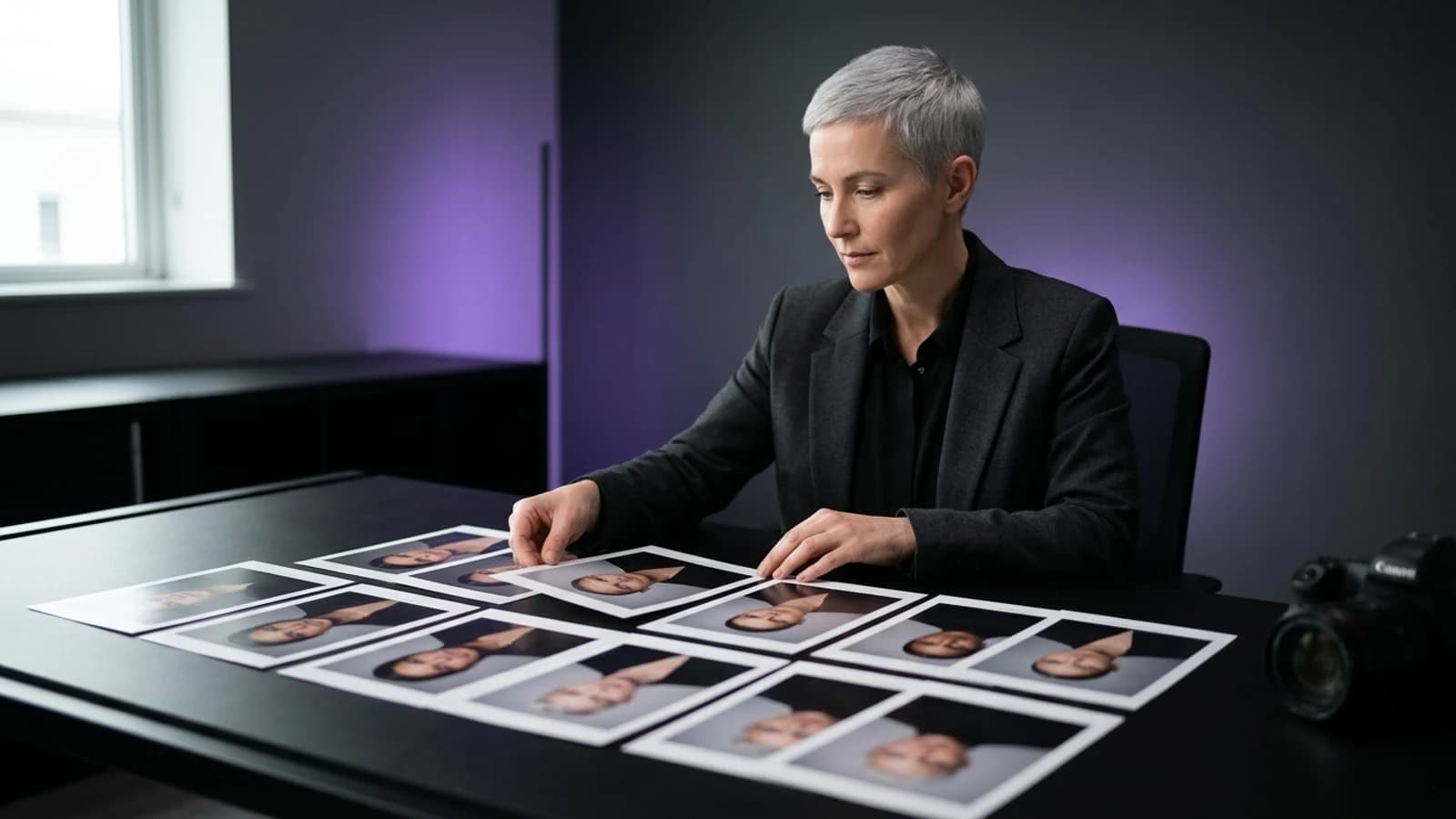
- Reviewing for identity drift (e.g., wrong eye color, changed hairstyle, off proportions)
- Regenerating or editing the weakest images
- Upscaling anything headed for final use
Midjourney users typically iterate inside the same session, adjusting reference weight or prompt wording when a face slips. Nano Banana workflows, especially through Google AI Studio or connected platforms, often follow a similar loop: generate, inspect, and potentially add another reference angle if consistency slips. Production pipelines built on reference-based models often leverage this repeatable reference-and-review loop for use cases like marketing assets, though the exact tooling varies by platform.
If you're building this loop manually for the first time, a practical starting workflow, including how to lock in a reference character before scaling output, is covered in how to create an AI influencer.
Which Creator Each Tool Fits
Midjourney fits you if:
- You want strong stylistic and artistic range first, with consistency as a layered feature.
- You're comfortable tracking which model version you're using and its specific reference behavior.
- Your project leans toward illustration, concept art, or mood-driven visuals.
Nano Banana (Nano Banana 2 / Pro) fits you if:
- Keeping the same face, outfit, or brand element steady across many images is your main goal.
- You're working inside Google's ecosystem or a platform built on the Gemini image models.
- You're following documented multi-reference patterns rather than freehand prompting.
Neither answer is wrong. Plenty of experienced creators keep both tools for different jobs, Midjourney for hero art, Nano Banana for repeatable character sets. If you're weighing this decision against other platforms too, Higgsfield alternatives walks through broader tool-selection tradeoffs beyond just these two.
Where Prism Fits Into a Character Workflow
For creators who want a reusable character without manually re-uploading references every session, Prism's creator workflows offer a related option worth knowing about. Prism's character tool accepts either a written description or an owned reference image, and once that character is approved, it gets reused across the Image, Video, Motion, Batch, Upscale, and Prompt tools without repeating setup each time. It's not positioned as automatically better than Midjourney or Nano Banana; it's a different layer of the workflow, focused on reuse and batch consistency rather than being another base image model. Creators comparing model-level tools like Midjourney and Nano Banana may still want a system like this for the production side once a character is locked in. For a broader look at structured character workflows, the Academy is a reasonable next stop.
The real Midjourney vs Nano Banana question isn't which brand wins; it's which documented workflow matches your project. Midjourney offers strong stylistic control with reference tooling that varies by version. Nano Banana's newer releases are built specifically around multi-reference identity retention, according to Google's own materials. Both still require manual review, and both can drift without careful prompting.
Your next step: pick one tool, generate a small test batch with a single clear reference, and review for drift before scaling up. Whichever platform you choose, treat consistency as a workflow you manage, not a feature you switch on.