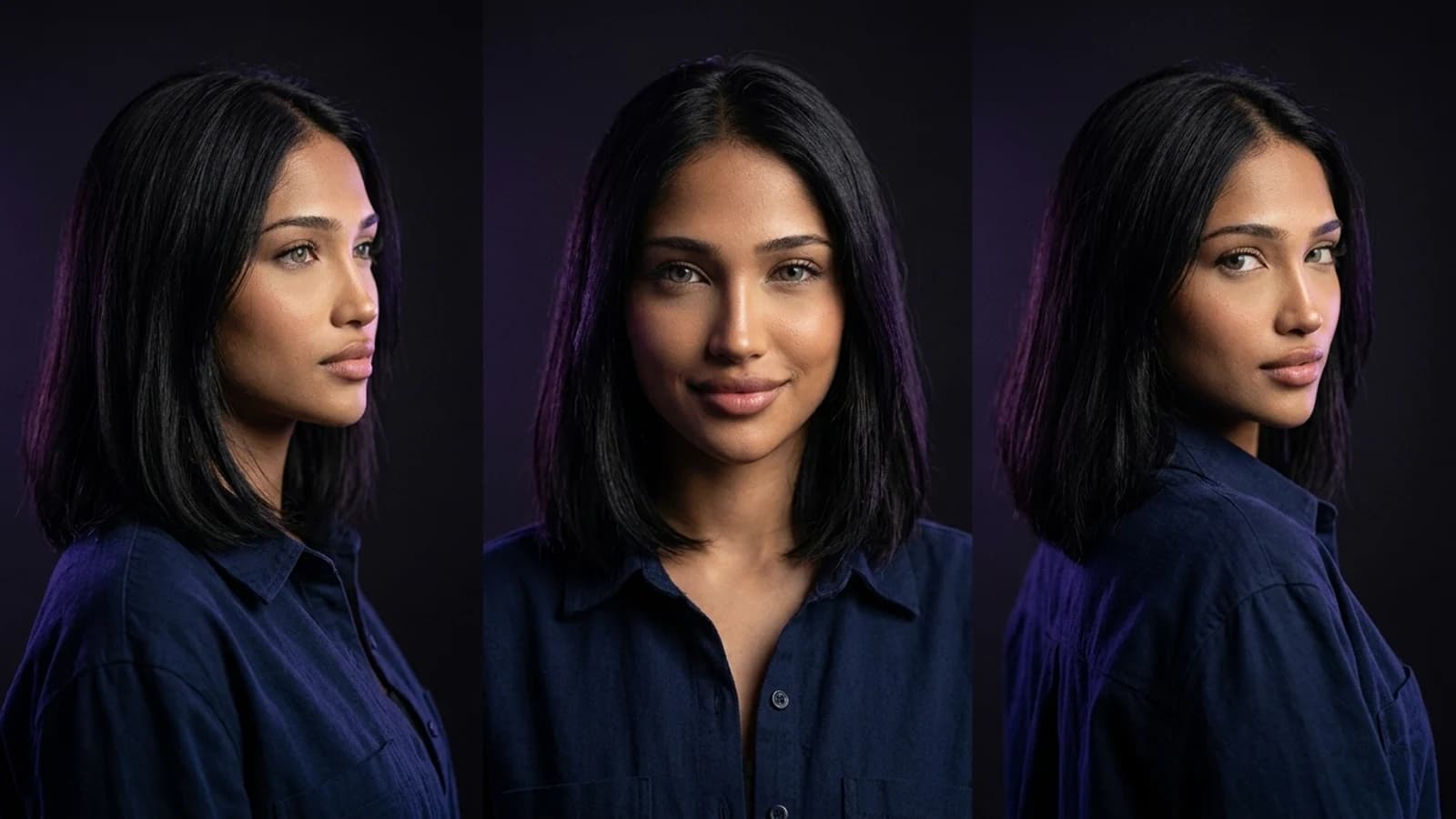
A single AI-generated image of a fictional person isn't a virtual influencer; it's just an image. A virtual influencer is a digitally created persona with a consistent name, look, and personality that posts content and engages with audiences, often partnering with brands. This article offers a documentation-based comparison, not a hands-on benchmark.
This guide breaks down what a virtual influencer actually is, how the category splits into different technical approaches, and how someone using a tool like Prism can build a reusable character the right way, with disclosure and consistency built in from the start.
What Is a Virtual Influencer, Exactly?
A virtual influencer is a computer-generated character that behaves like a social media creator. It has a consistent name, face, personality, and posting history. It "talks" to followers, responds to comments in character, and partners with brands the same way a human creator does.
The key word is consistent. The persona becomes an influencer only when that same face, style, and voice show up again and again across a real content calendar, building a recognizable identity audiences follow over time.
Importantly, "virtual" doesn't automatically mean "AI-made." Some of the earliest and most culturally significant virtual influencers were built with traditional CGI animation pipelines, scripted and rendered by human artists with no generative AI in the loop at all. Others today are built almost entirely with AI image and video tools. Both count as virtual influencers. The distinction that actually matters for anyone building one is synthetic origin plus persistent identity, not the specific software used.
CGI Characters, AI Personas, and Avatars Are Not the Same Thing
It helps to separate four terms that often get blurred together:
- CGI-animated characters, built frame by frame (or rigged and rendered) using traditional 3D animation tools, often by a studio or agency team.
- AI-generated personas, created primarily with generative image and video models, where a consistent character reference is reused across new scenes and outfits.
- Avatars, a broader term that can mean a real person's digital stand-in (for gaming, livestreaming, or video calls) as much as a fictional influencer.
- Virtual influencers, the umbrella category covering any of the above, as long as the character has an ongoing social presence and works like a creator.
Industry guides increasingly treat "virtual influencer" as functionally synonymous with AI-generated personas in casual conversation, simply because generative tools have made this approach far cheaper and faster than full CGI production. But the CGI branch of the category hasn't disappeared; it's just a smaller, more resource-intensive slice of the same market.
Why This Category Is Growing So Fast
Market researchers often present varying estimates for the virtual influencer market, with differences arising from whether they count only direct brand spending or also include the entire tooling stack—software, motion-capture systems, and AI platforms that power these characters. This variation highlights the evolving nature of the market itself.
What's driving the growth isn't mysterious. Generative image and video tools have lowered production costs enough that agencies and individual creators can launch a persona without a CGI studio budget. Brands are drawn to the format because a virtual persona offers full creative control, no scheduling conflicts, and a lower risk of off-brand public behavior, though sustaining audience trust still requires careful, ongoing storytelling, not just a good-looking character.
How a Virtual Influencer Actually Gets Built
Regardless of whether a persona leans CGI or AI-generated, the production loop looks similar:
- Define the character, name, backstory, visual style, and tone of voice, decided before any content is made.
- Lock a reference, a consistent face, body type, and styling that becomes the character's visual signature.
- Generate or animate scenes, new poses, outfits, and settings that reuse the same locked reference.
- Review for consistency, checking that the face and proportions match across every new piece of content.
- Publish and disclose, posting content with clear labeling that the persona is a digital creation, where required or appropriate.
If someone hasn't gone through the foundational setup yet, naming a character, deciding on a niche, and understanding the basic content cadence, the practical starting workflow for creating an AI influencer covers that groundwork and is worth treating as a prerequisite before diving into character-building tools.
A Step-by-Step Guide to Building a Consistent Persona in Prism
Once the concept for a persona is settled, Prism's character workflow is built around one core idea: create the character once, then reuse it everywhere. According to Prism's creator workflows, character creation starts from either a written description or an owned reference image. Once that reference is approved, it becomes the character's fixed identity for future generations.
Here's a practical sequence for a fictional example persona, call her "Mira," an invented, hypothetical lifestyle character used purely to illustrate the workflow, not a real or tested output:
- Write a specific description prompt. Vague prompts produce inconsistent faces. Try something like:
Woman in her late 20s, warm brown skin, short curly black hair, freckles across the nose, minimalist gold earrings, soft natural makeup, calm confident expression.- Submit the description or an owned reference image through Prism's character tool and review the generated result before approving it as the locked reference.
- Reuse the approved character across the Image tool for static posts, the Video and Motion tools for short clips, and Batch tools when producing several scenes at once.
- Vary the scene, not the face. Example follow-up prompt:
Same woman, seated at a café table, holding a ceramic mug, soft morning light, cream sweater, relaxed smile.- Upscale final selects before publishing to keep image quality consistent across a feed.
- Use the Prompt tool to refine wording if outputs drift from the intended style, rather than starting the character over from scratch.
- Organize approved assets in the Media library so the same reference stays easy to find for future content batches.
A Short Practical Checklist
- ✅ Character description is specific (age, features, styling), not generic
- ✅ Reference image is approved before generating any scene content
- ✅ Every new prompt reuses the same locked character, not a fresh description
- ✅ Outfits and settings vary, but facial identity stays fixed
- ✅ Final images pass through upscaling before publishing
- ✅ Disclosure language is planned before the first post goes live
Common Mistakes to Avoid
- Rewriting the character description every time instead of reusing the approved reference; this causes the face to drift between posts.
- Skipping disclosure because the persona "looks realistic enough"; audience trust erodes quickly once followers feel misled.
- Treating one great image as a finished persona; a real virtual influencer needs a backstory, tone, and recurring themes, not just a face.
- Ignoring niche consistency; jumping between unrelated content themes makes a persona feel unfocused compared to established creators.
- Assuming CGI-level polish is required; many successful personas use a simpler, stylized look rather than chasing full photorealism.
Disclosure and Trust: The Part Brands Can't Skip
Coverage of AI-generated influencers has raised real questions about transparency, specifically, whether audiences can tell a synthetic persona from a human one, and whether platforms and advertisers are labeling that distinction clearly enough. This isn't a niche concern; it's becoming a baseline expectation for anyone running a virtual persona that partners with brands. Simple, visible disclosure, in a bio, a caption, or an about section, protects both the audience's trust and the creator's credibility over time.
Choosing the Right Tool for the Job
Prism's strength is its reusable-character approach paired with a connected toolset: Image, Video, Motion, Batch, Upscale, Prompt, and Media tools that all work from the same approved reference. That consistency is exactly what a long-running virtual influencer needs.
It's still worth comparing options. OpenArt's Character workspace is another platform built specifically around character consistency, and it's a reasonable point of comparison for anyone evaluating character-first tools. For a broader look at alternatives and how different platforms approach character and video generation, the Higgsfield alternatives comparison walks through tool-selection tradeoffs without assuming one platform fits every workflow. There's no single "best" answer here; the right tool depends on whether the priority is character reuse, video motion quality, or batch output speed, and it's worth testing a workflow against actual project needs before committing.
Next Steps for Your Virtual Influencer Journey
A virtual influencer is simply a persistent, computer-generated character that acts like a social creator, and that character can be built with CGI, AI generation, or both. The label doesn't guarantee any particular technique; it describes a role, not a specific tool. Anyone starting this project should nail down the character concept first, lock a consistent visual reference, and plan disclosure language before the first post ever goes live.
For a full walkthrough of the earlier setup steps, revisit the guide to creating an AI influencer, and for structured lessons on building consistent characters and content workflows, the Academy is a solid next stop.